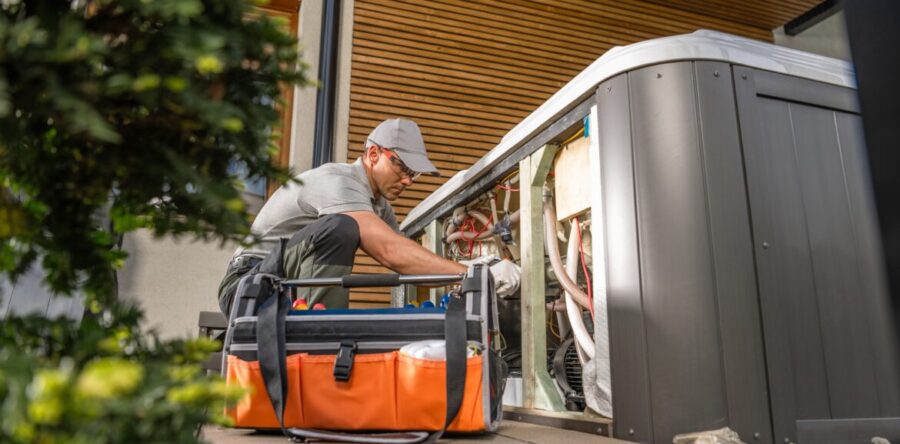
Hot tub winter maintenance often starts with one big question, and it’s not always easy to answer: Do you continue using your hot tub spa through the cold weather, or do you winterize it to avoid damage caused by freezing water? It’s a tough call.
Do you live in an area where the temperature can easily drop to 32˚F (0˚C) or colder? If you’re not planning to use your spa during the winter months, it’s critical to winterize it properly. Not only will you prevent damage but storing it correctly will help ensure your hot tub is ready to go in the spring.
Winterizing is not a terribly complicated process, but it does require careful attention to several important details. Some hot tub manufacturers recommend running their spas year-round, claiming this is the best way to preserve the integrity of the plumbing since it won’t dry out. Because certain steps can be overlooked, some manufacturers do not recommend DIY winterizing. Professional spa dealers have a thorough understanding of the challenges involved and often provide winterizing services or guidance to help customers avoid long-term issues. Your hot tub is a big investment, so protecting it is essential.
That being said, if this is an annual project you want to tackle and you’re willing to assume the responsibility, this guide is intended to help you understand how to winterize a hot tub safely and protect it through the coldest months of the year. REMEMBER: Always consult your hot tub dealer and your owner’s manual, as manufacturer-specific requirements can vary from one model to another.
WHY BOTHER TO WINTERIZE?
You might ask, “Why do I need to worry about winterizing my hot tub?” There are several reasons:
- Frozen water can pipes and fittings.
- Electrical components can be damaged by freezing water.
- Proper winterizing helps avoid unnecessary repair and maintenance costs.
- Undrained spas can become a breeding ground for bacteria.
BEFORE YOU BEGIN, YOU’LL NEED THE FOLLOWING
- The owner’s manual for your specific model.
- A garden hose to drain and direct water away from the house.
- A wet/dry shop vacuum.
- Towels and soft cloths
- A hot tub cover.
- A filter cleaner or mild detergent.
- Non-toxic RV antifreeze (optional).
STEP BY STEP
- Pour two cups of bleach into the spa and run the pumps for one hour. Restart the pumps if they time out. This step helps eliminate any bacterial growth.
- Safety comes first, so once the bleach has circulated for at least an hour, turn off the power at the circuit breaker. This prevents the risk of electrical shock and ensures the pump and heater will not accidentally cycle on while draining the water.
- Depending on how your spa is equipped, use the drain plug or a submersible water pump to drain the water. Use the garden hose to route the water in a safe direction, away from the foundation of the house. Be sure to drain both the shell and the plumbing to prevent any remaining water from freezing.
- Open the compartment and remove the filters. Thoroughly clean them using a garden hose or soak them in a filter cleaning solution. Once clean, store them indoors for the winter. If the filters are showing signs of wear and tear or are more than a couple of years old, replace them in the spring.
- Once most of the water is out, remove all drain plugs from the pumps and heater and open all the air valves and waterfall features.
- This step is absolutely critical. Use the shop vac to blow air into each of the jets, the drain lines, and the air lines to remove all remaining water. Even a small amount of trapped water can freeze, expand and cause serious damage to your spa. Repeat this step twice, then reverse the process by setting the shop vac to suction mode to remove any remaining moisture.
- Some hot tub owners will include this step, while others don’t. It’s best to consult with your spa professional or check your owner’s manual to see if adding a non-toxic RV antifreeze is recommended for extra protection. Never use automotive antifreeze, as it is toxic and will damage the spa. If approved for your model, pour the non-toxic antifreeze directly into each jet and drain to help prevent any remaining water from freezing.
- Next, use a spa safe cleaner and soft cloth to wipe down and clean the entire interior shell. Do not leave any water in the shell and use towels to remove even small puddles. This is also a good time to carefully inspect the hot tub for any signs of wear or any small cracks.
- Clean and protect the spa’s cover. Even in the winter, your hot tub cover provides the first line of defense against snow, ice, and other debris. Remove the cover, clean it with mild soap and water, and allow it to dry completely. Apply a UV protectant spray to help prevent cracking and brittleness in the cold weather. Inspect the cover for tears and damage, and make sure it fits tightly to protect against cold air and moisture. If you frequently experience high winds, use wind straps to secure the cover.
- Even after completing all steps of hot tub winter maintenance, it’s a good idea to periodically check the spa when it’s not being used. Look for any signs of damage to the cover, ice or water accumulation, or evidence that small animals may be trying to shelter inside.
OTHER TIPS TO PROTECT YOUR INVESTMENT
Be sure to read and follow your owner’s manual. These 10 steps are not all inclusive, and your model may include additional measures for winterizing.
Don’t procrastinate – do a complete winterization before the first freeze. It’s much easier to do when it’s not snowing or raining slush!
Many owners install an additional heavy tarp or cover to provide extra protection from ice and heavy snowfalls.
Label and store all drain plugs, filters and other removed components in clearly marked containers to make it easier to reinstall in spring. If you’re unsure how something came apart, recording a short video on your phone can be very helpful.
DO NOT WINTERIZE
If you’re planning to keep using your hot tub spa as a cozy escape from the cold, you may be wondering, Can you use a hot tub in winter without damaging it? The answer is yes – provided it remains powered on, well maintained, and properly insulated.
Keep the water temperature consistent, ideally at 100˚F (38˚C) or slightly above, and make sure the cover fits securely. For additional guidance on safe operating temperatures, refer to the hot tub safety guidelines from the Pool & Hot Tub Alliance.
Water care is also essential during winter, and using the right hot tub water purification systems can help keep the water clean when your spa stays in use. Running the hot tub continuously through the winter will help prevent freezing, as long as it is well maintained.
However, if you don’t plan to use the spa regularly, taking the time to winterize it will usually be the safer, wiser, and more cost-effective option for you.
WE MADE IT THROUGH ANOTHER WINTER, NOW WHAT?
When spring arrives, it’s time to get ready to enjoy all the benefits of your hot tub again. Basically, we’re going to reverse the winterizing process:
- Remove and clean the cover and inspect the spa.
- If non-toxic antifreeze was used, thoroughly flush the lines and jets.
- Reinstall filters and drain plugs.
- Refill the spa with fresh water.
- Check for leaks.
- Turn the power back on.
- Test and balance the water chemistry.
PROTECTING YOUR HOT TUB INVESTMENT THROUGH THE WINTER
You can avoid problems with your hot tub down the road by having your spa professionally serviced for the winter. Can you do it yourself? Absolutely, many can and many do it every year. But others prefer the peace of mind that comes from knowing their spa was prepared by a professional and will be ready to enjoy when spring arrives.
If you’re a DIY’er, the steps outlined above should help you understand how to winterize a hot tub. Remember to check on it occasionally throughout the cold season. With the right care, hot tub winter maintenance helps protect your investment, preserve performance, and ensure your first soak of spring is relaxing and trouble-free!