The difference in the air pressure in your house and the outdoors can be negative or positive. Neither is particularly beneficial. Let’s discuss negative air pressure as it relates to…
What Is Negative Air Pressure?
The difference in the air pressure in your house and the outdoors can be negative or positive. Neither is particularly beneficial. Let’s discuss negative air pressure as it relates to…
…burning wood. NEGATIVE AIR PRESSURE? Another possibility of a poor draft in your fireplace, stove or insert is negative air pressure. We alluded to this earlier, but let’s discuss it…
…can happen. The airflow in the flue can reverse, and cold air will spill down the chimney, bringing odors. A quick way to check if negative air pressure exists in…
…a window to allow more combustion air to the fire. This technique should help getting a draft established. (See also: What Is Negative Air Pressure?) If negative air pressure is…
…indicator that your home has negative air pressure. Alterations to your home such as remodeling, weatherizing and adding a venting system can all result in negative air pressure. When a…
…creates air movement. As this moving hot air carries the by-products of combustion out of the house, more oxygen-rich air is pulled into the firebox. This air feeds the flames…
…cause a periodic downdraft. But a negative air pressure condition will draw a constant stream of cold outside air spilling into the room. Wood Fireplace Ambiance Flair GAS FIREPLACES Occasionally,…
…warm air is less dense than colder air, rising heat creates air movement (known as drafting) that carries the by-products of combustion out of the house. The effectiveness of the…
…(that is, where the actual fire is burning) and the top of the chimney. The warm air from the fire and this difference in air pressure creates air moving up…
…homes. Today’s homes are tighter in construction and there’s less air to replace the air consumed during combustion. The places that suffer most from negative pressure are basements. Also kitchen…
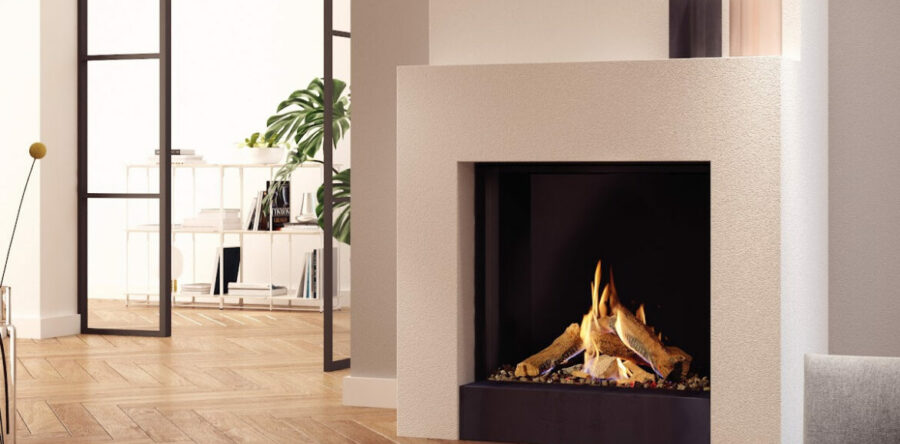
…walls with air flowing between). As the burner heats the inner wall, circulating air draws this heat and transfers it into your room. Airflow: A small fan beneath the burner…
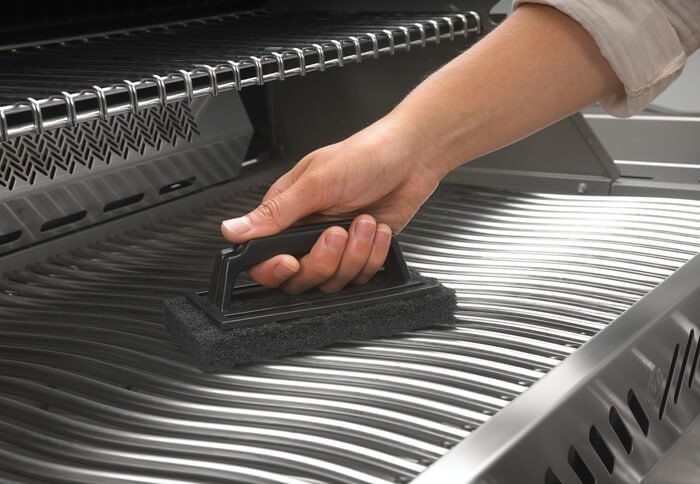
…is next. Turn the gas off, and test the ignition button to see if it makes a spark. If it does and lights correctly, and the pressure regulator on the…
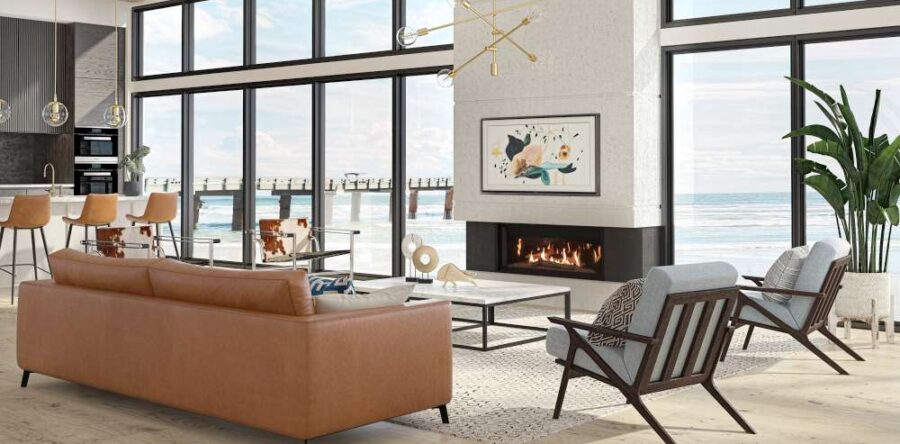
…process. This means that the air for the combustion process comes from outside, via a special vent pipe. Inside room air is not used for combustion purposes. Only air from…
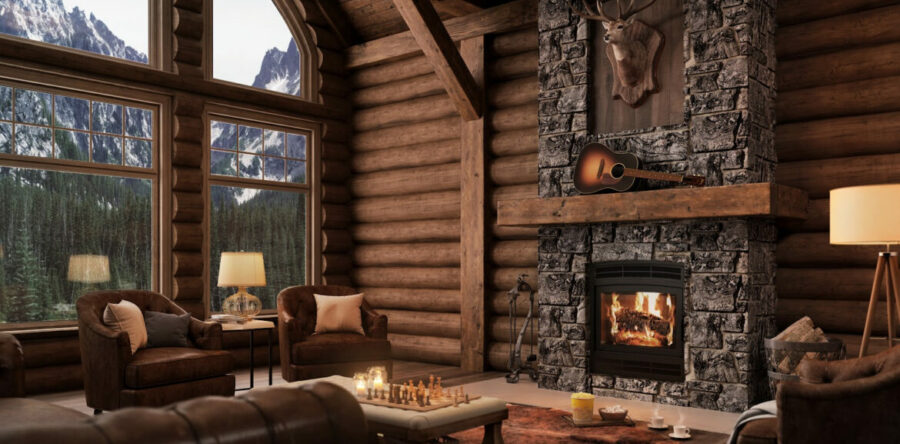
…problem with the chimney flue. It could be a negative air pressure situation. Or, it could be an operator error. Regardless, it’s a serious situation, and you may need a…
…widely used and popular. At normal temperatures and pressures, LPG is gaseous. But, when put under modest pressure or cooling, it changes to a liquid state. LPG is used on…
…insert are your best option. These doors help provide long burn times by keeping air from slipping around the glass. A primary air control provides all air supplied to the…
…air and is generally bad for air quality. Eco Logs Pressure treated lumber also falls into the NEVER burn category. Pressure treated wood is treated with a variety of chemicals….
…from combustion out of the firebox, to atmosphere. The larger outside pipe, normally 7 or 8 inches in diameter, brings outside air for combustion purposes into the unit. Direct vented…
…tight. EPA certified fireplaces have primary air controls that will allow a specific volume of air into the firebox for efficient combustion to occur. In essence, the chimney is always…
…air chambers in fireplaces or stoves, heat is transferred from the hot surfaces to the moving air. The fan circulates this warmer air through the appliance and back into the…
…to be burned with the doors closed tight. FIREPLACE DAMPER VS. AIR CONTROL EPA-certified fireplaces have primary air controls that allow a specific air volume into the firebox for efficient…
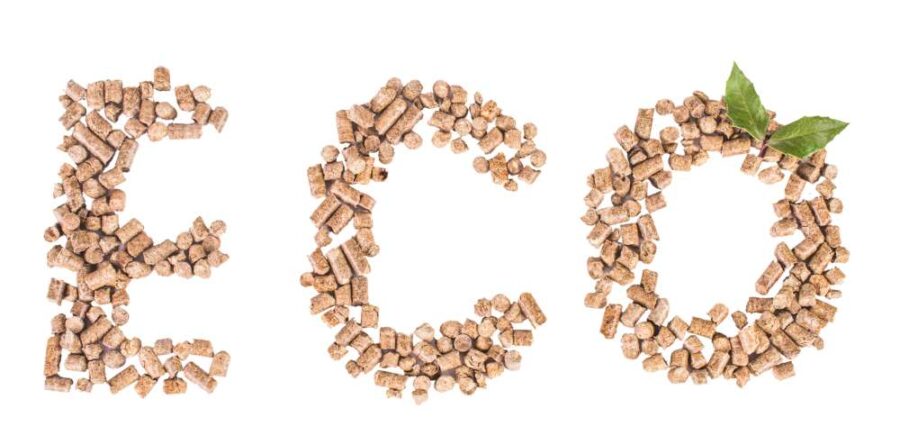
…standard and consistent size so they can pass through the pellet processing equipment. The next step is actually pelletizing these wood fibers. Under extreme pressure, the fibers are heated up…

…ductwork and air vents to allow for optimal airflow and efficiency. Think about installing a programmable thermostat to lower the temperature automatically when you’re away. You might consider a home…
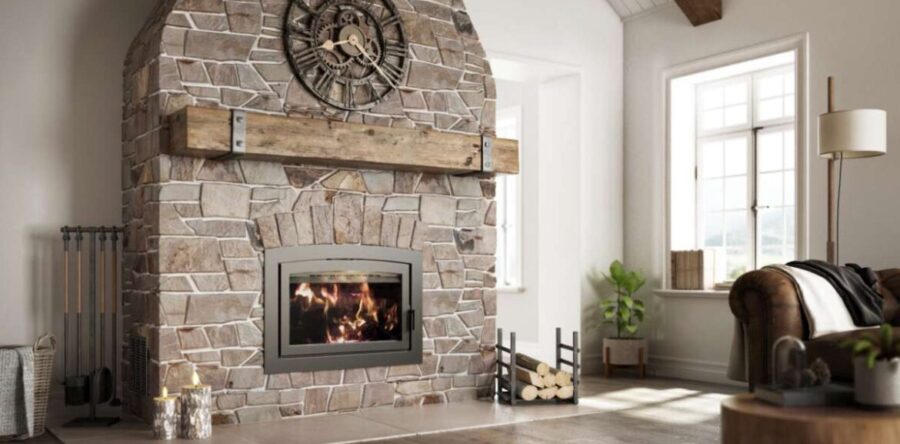
…to burn effectively. It will smoke and smolder. An open-burning masonry fireplace has no control on the amount of air to the fire. It uses room air for combustion, air…
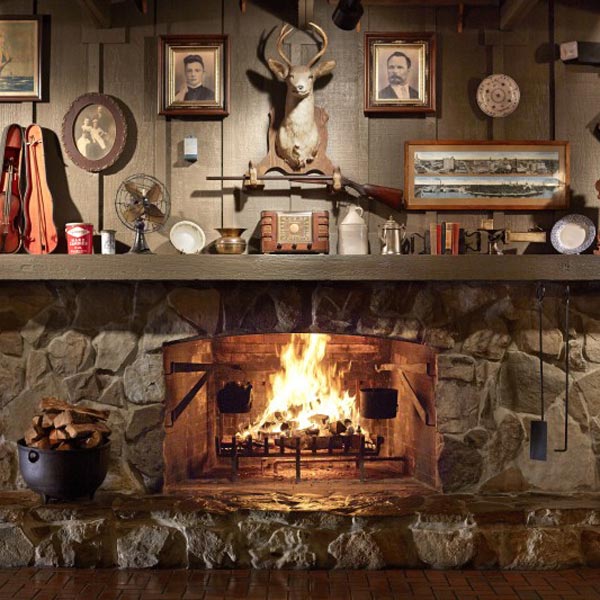
…then a mechanical make-up air system should be installed and interlocked with the range hood. It results in an equal amount of air that is brought into the house. Neutral…

…pushed up against it in an attempt to reduce the cold air spilling into the living room. Does any of this sound familiar to you? If so, you have several…
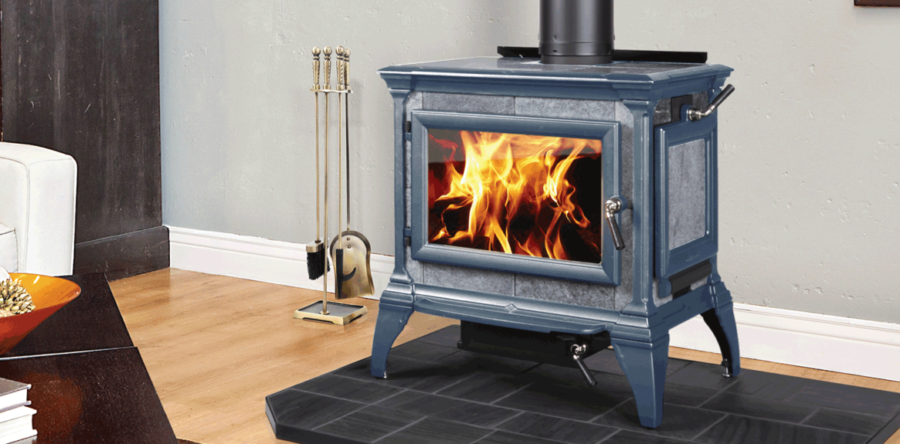
…to avoid smoke in your house. Air intake: high-efficiency units are provided with an adjustable air intake. You should follow correct fire-starting procedures to avoid draft problems. But we can…
…address air quality and public health concerns. A HISTORICAL LOOK OF BURNING WOOD IN QUEBEC Burning wood has always been a part of Quebec’s identity. Rural communities have depended on…

…your preferred level of comfort, it’s essential to calculate the strength (or amount of energy) needed to condition the air to perfection. Use a BTU calculator to figure out what…
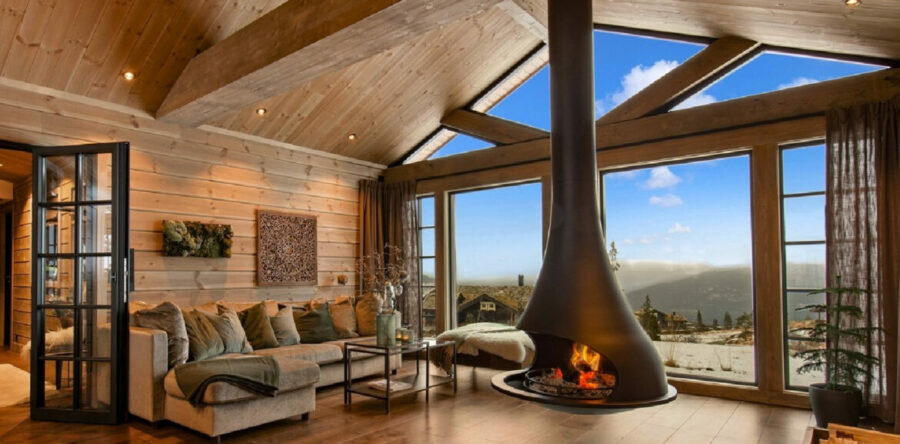
…can create a more calm and serene environment that will put your guests at ease. Adding texture through throw pillows, soft blankets, airy curtains, and thick rugs can also enhance…
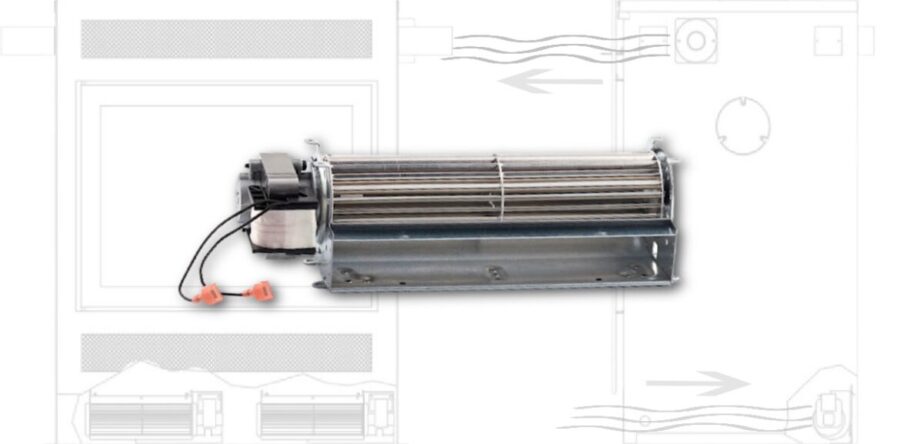
…use a convective air chamber that is designed within the appliance to house a blower. As the fan draws heavier, cooler air from the floor, the air is heated in…
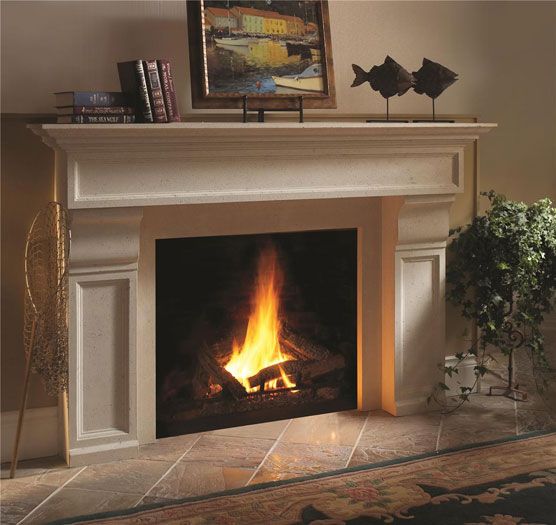
…is not in use. Cold air is denser than warm air, and so warm air rises. That being the case, it isn’t always easy for that warm air to escape…
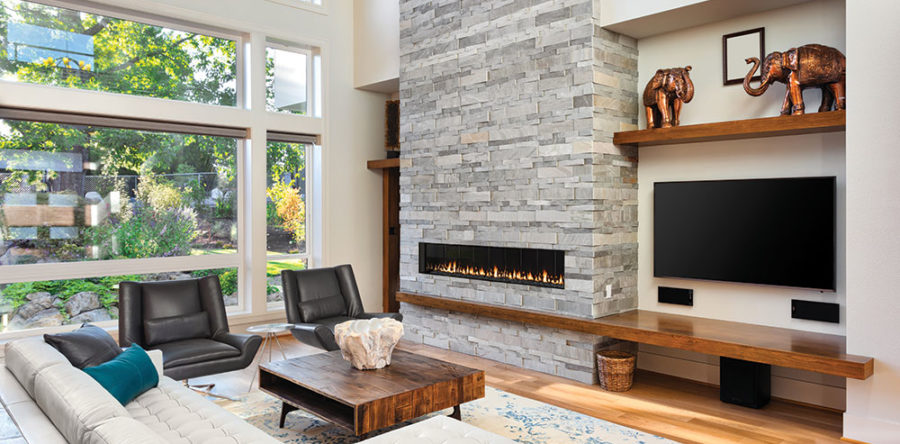
…gas will not be consumed. Low levels of combustion air will yield a flame that is too yellow and orange. Inadequate air is guaranteed to produce soot. Too much air…
…comfortable in the both heating and cooling seasons. Most people think the term “air conditioning” implies cooling the air inside a building. To many industry professionals, “air conditioning” means altering…
…biggest negative with electric hearth products is the amount of heat from the appliance. But, depending on your situation, an electric fireplace or stove would be a great choice. Amantii…
…pressure on manufacturers and suppliers to negotiate lower costs. This often allows them to offer aggressive pricing, promotional discounts, rebates and seasonal sales. One-stop shopping convenience: Customers can buy fireplace…
…convection airflow. High heat shrinks muscle fibers that squeeze out moisture, you want to cook your food gently. After the interior temp is close to where you want it, move…

…Cleaning Checklist Who doesn’t enjoy getting some fresh air after a long winter? A clean home and well maintained property will set the tone for many enjoyable memories outdoors. In…
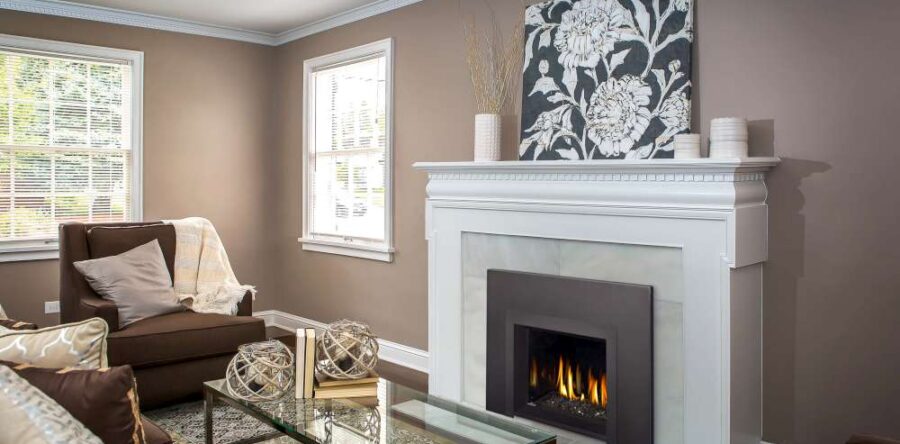
…system since they use a sealed combustion process that brings outside air into the firebox for combustion purposes. Two aluminum liners, either 3” or 4” flexible pipes, are installed up…
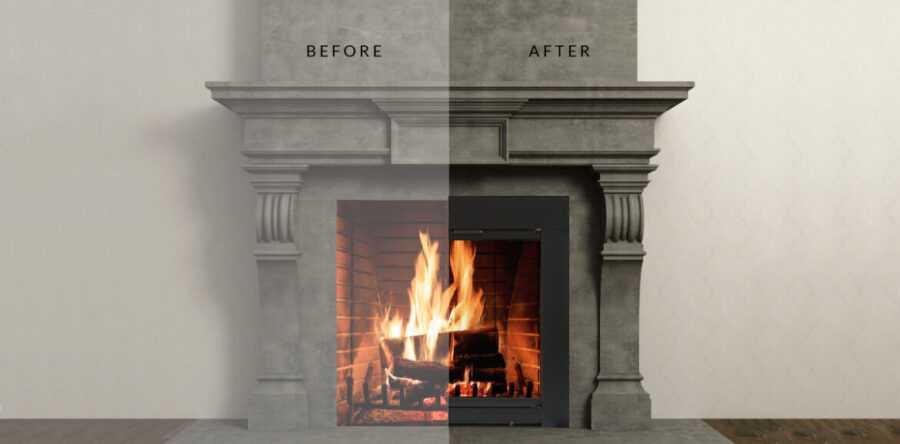
…Obviously, doors are not the only control for combustion air to a fire. The primary air control on the fireplace is the means to do this. But the primary air…
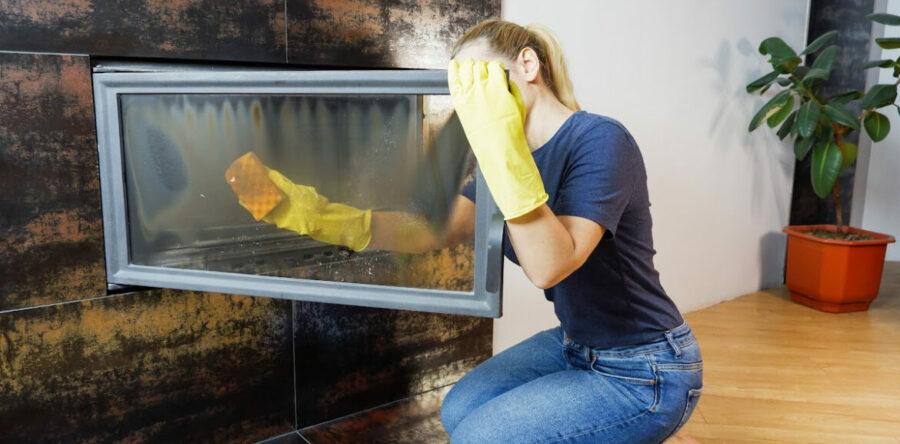
…and the heat quickly warms the air inside the fireplace. Warmer air has more moisture than cooler air. One of the by-products of combustion is water vapor. As the water…
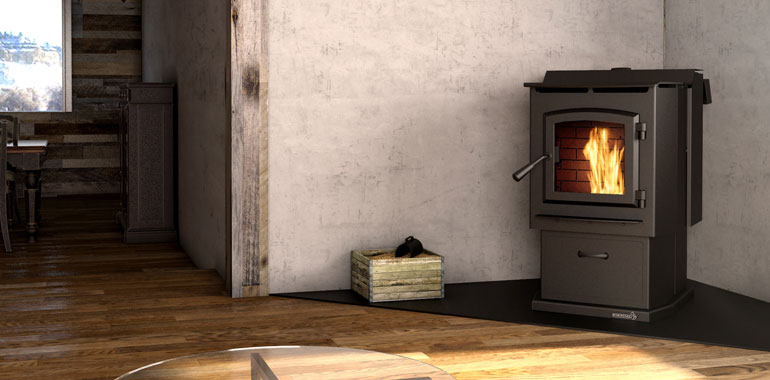
…pellet stoves are dependent on electricity to operate. This is a consideration if you are in an area prone to power outage. A small electric fan blows air through heat…

…goes into extending, pressure testing and connecting a gas line. Analyzing a venting profile, using a manometer, replacing a gas valve or adjusting the air/fuel mix are jobs best left…

…should be part of the maintenance routine: Checking gas pressure Adjusting the air/fuel ratio Enhancing the ember bed Electronically sniffing for gas leaks Cleaning the inside of the glass PELLET…
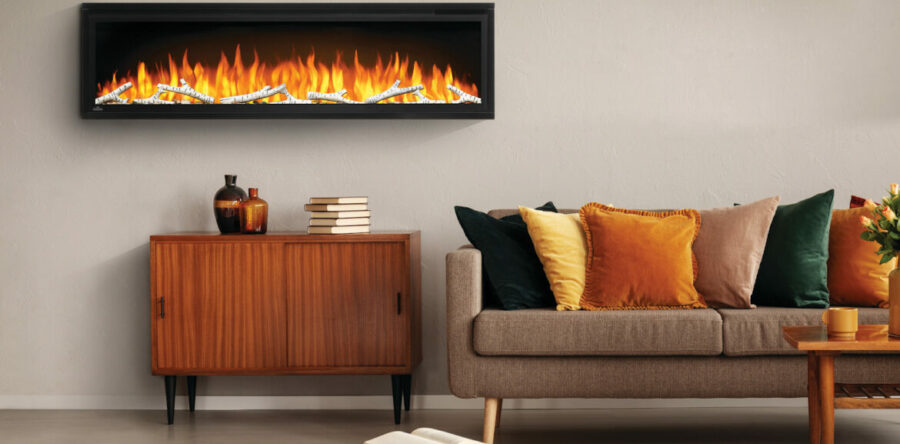
…money on an electric fireplace than a similar size gas model. A gas fireplace is a more complicated piece of equipment with an ignition system, adjustable gas valve, gas pressure…
…adjustable gas valve, gas pressure and air to fuel adjustments, an insulated firebox and a coaxial venting system. The flames and lighting effects on an electric fireplace are basically on…

…air quality and public health. SUPPORTERS AND OPPONENTS Supporters of reducing NG usage cite concerns about methane emissions and climate change. Indoor air pollution, particularly with gas cooking stoves, is…
…cause the chimney to heat up, start drafting properly and overcome the cold air impasse. AIR AND HEAT Air and heat are critical to get a fire established. Before you…
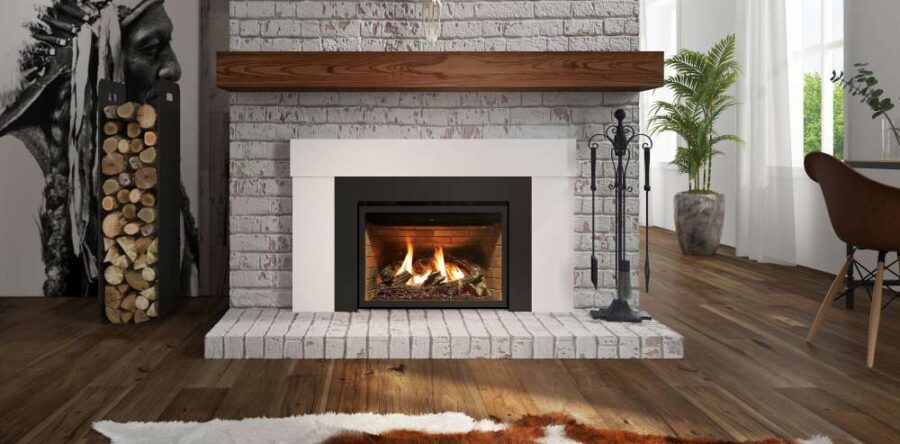
…few models that will be a good fit. Gas inserts are sealed combustion units, meaning they get their air for combustion purposes from the outside, not air from inside the…
…subjects as electrical equipment and wiring, thermostats, gas appliance pressure regulators, and test pressures and burner adjustments. Any accredited Nationally Recognized Testing Laboratory (NRTL) can be used by a manufacturer…
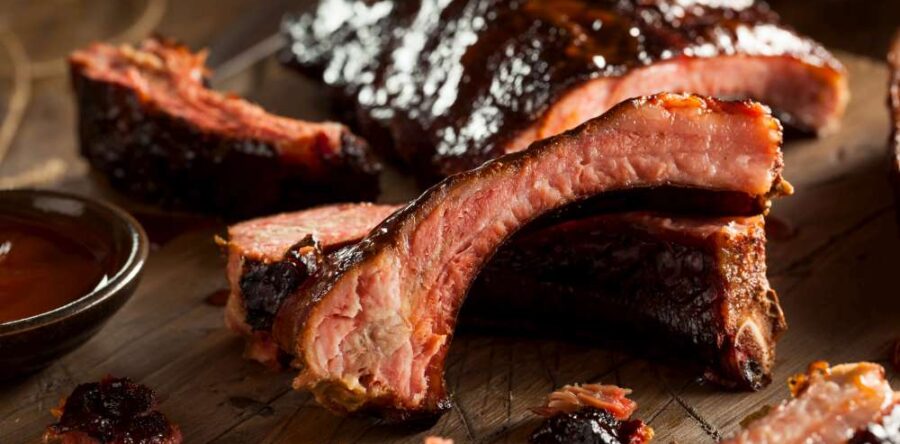
…smoking as it contains resinous sap and will ruin the taste. And I certainly hope you know enough not to use railway ties, pressure treated lumber, or any lumber treated…
…from a cold start, but never burn the following in your wood stove: pressure treated lumber particleboard plywood or chipboard wood with nails or screws dryer lint driftwood painted lumber…
…gas technician before use. They will check for gas leaks, flame impingement, the correct gas pressure, and other items. They will also have materials to enhance the appearance of the…
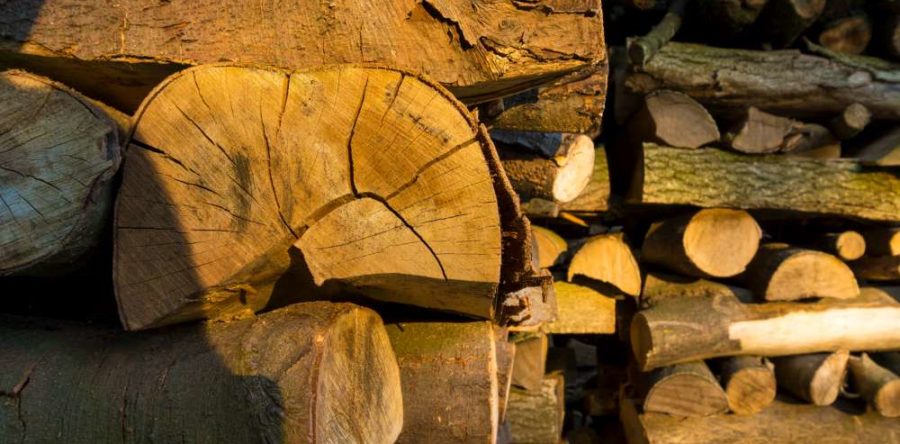
…cause harm to your health. Examples are painted wood, wood that’s been pressure treated, driftwood, chip board, or wood with nails or screws still attached. You can burn both hardwood…

Imagine flickering candles, a roaring fire, and thick, snug blankets. For many people, that’s what comes to mind when they think of hygge. But the hygge lifestyle is less…
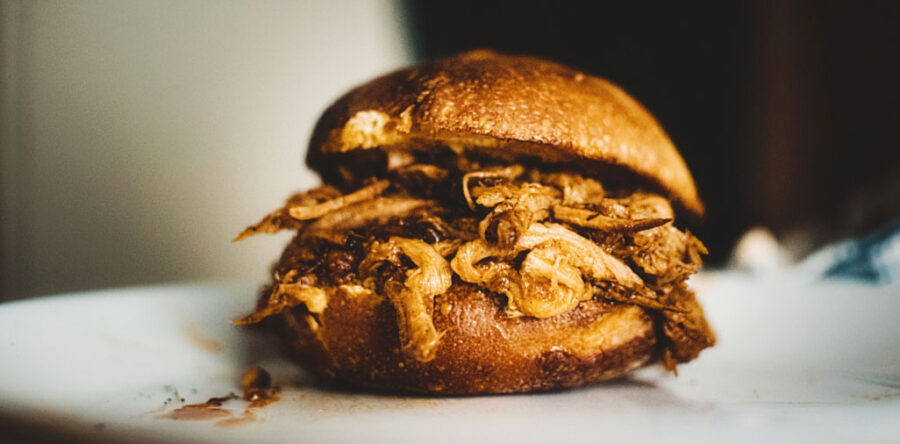
…The only way to eliminates all microbes and toxins from food is to pressure-cook it for hours and consume it immediately. But then again, nobody is coming over to eat…
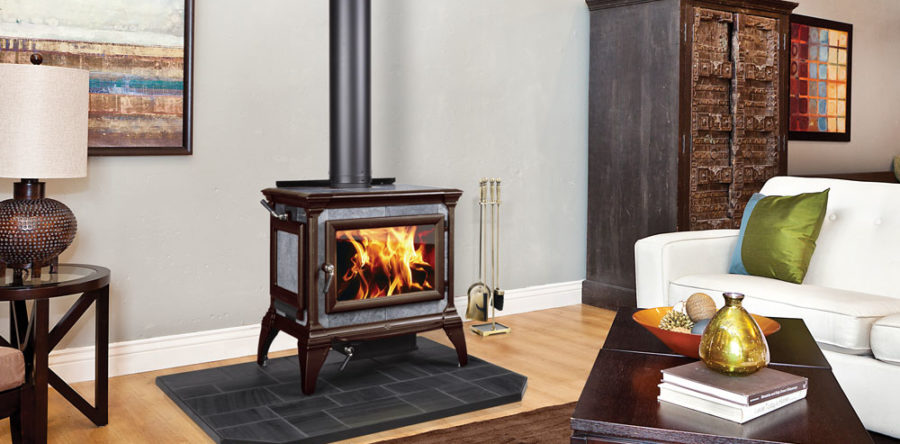
…long ago, it was under incredibly intense pressure and heat. 5 Reasons for Soapstone, in more detail 1-Durability A stove with a soapstone firebox lasts longer than cast iron, steel,…
…Fair Many Fair Pine, White 15.9 2250 Easy Poor Moderate Fair Pinyon 27.1 3000 Easy Fair Moderate Good Red Cedar, Eastern 13.0 2060 Easy Poor Many Fair …

…a fireplace to operate properly and burn logs to generate heat, a large quantity of air is needed. It can sometimes be helpful to have outside air inlets installed, in…
…There should be no air leaking around the edge of the glass. All combustion air is supplied to the fire via the primary air control and/or an appropriate outside air…
…might be from a lack of return air ducts from the forced-air furnace or just poorly insulated walls and sill box areas. Go for a big burner in the fireplace….
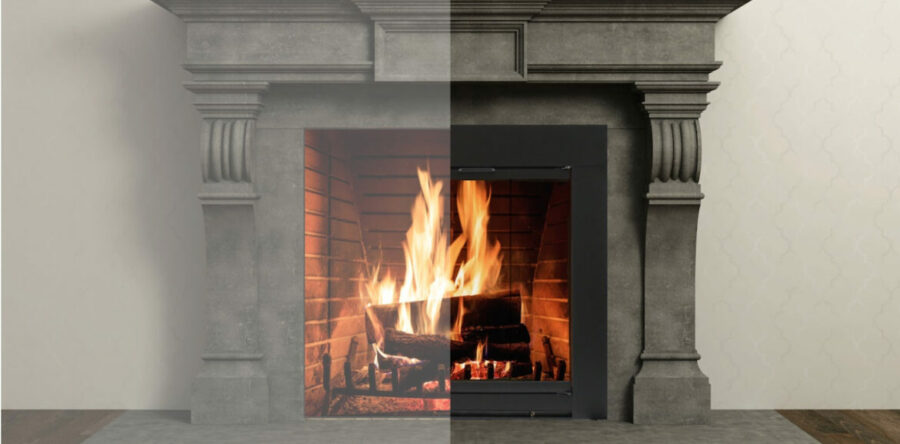
…glass getting to the fire. The air for combustion air is carefully controlled by a primary air lever. Doors for efficient, EPA certified fireplaces and stoves are best replaced by…
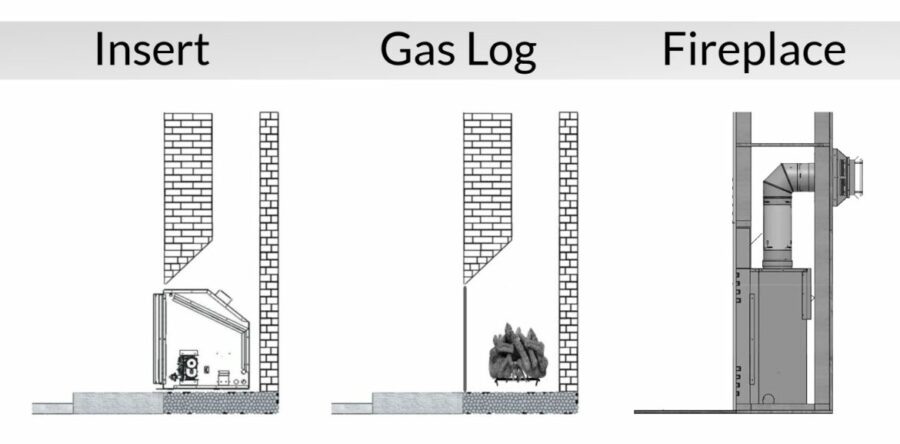
…and air for the fire comes from the outside, via a special co-axial pipe. Room air is not used for combustion, but rather is heated as it circulates around the…
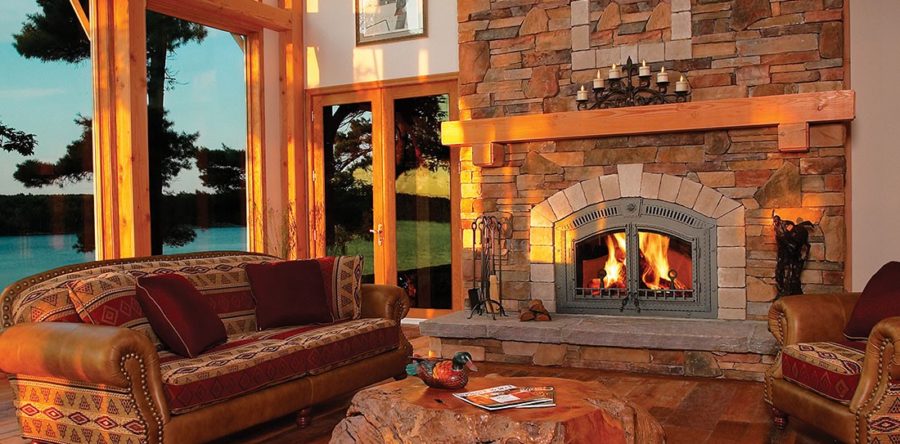
…manufacturer. Wood Boilers and Warm Air Furnaces Wood boilers and warm air furnaces are also subject to a regulation on their emissions. Since May 15th 2020, new lower Step 2…
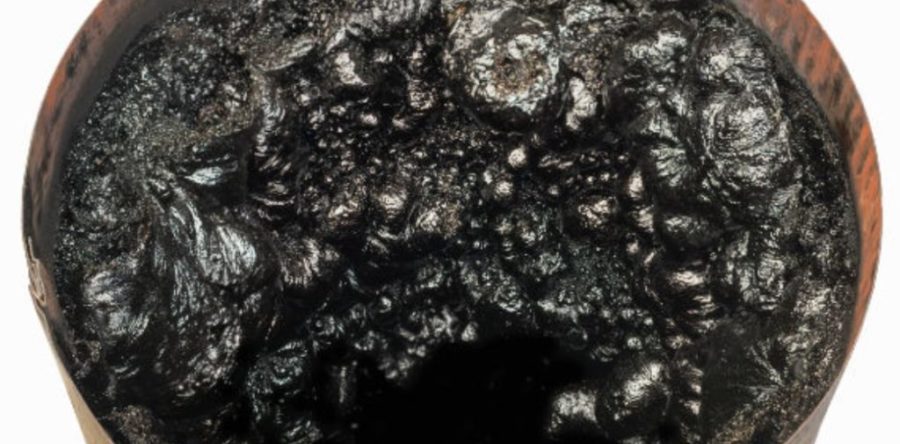
…your fuel. Another thing you can do to prevent creosote from building up is to be conscience about the amount of air you are allowing to the fire. Air flowing…
…of your conventional forced air furnace. The furnace fan blows air through the heat exchanger and the warm air is moved through the house via the ductwork. All five of…
…a lack of return air ducts from the forced-air furnace or just poorly insulated walls and sill box areas. Go for a big burner in the fireplace. You can always…
…will check and adjust, if necessary, to ensure the proper air/fuel ratio and gas pressures are correct. Read the owner’s manual and understand the equipment and controls. Like the wood-burning…

…Wipe down the walls and baseboards, especially the corners. Wash all windows and windowsills. Refresh Indoor Air Quality Replace the filter(s) on your furnace or air handler to improve indoor…
…When activated, this device can blow additional air into the fireplace via the ashtray grate. Lighting a fire has never been easier and faster. Air Wash System for Wood Fireplaces…
…combustion air, chimney temperatures might not be kept warm enough. More combustion air creates higher burning temperatures. Low chimney temperatures encourage condensation. Other red flags for creosote issues include connecting…
…house current to run. The burner will ignite, but the fan will not move any air. Direct-vented gas fireplaces are sealed combustion units. This means that air for combustion purposes…
Charcoal specific to filtration purposes is called Air, Water, or Vapor phase carbon. They are manufactured in a precise manner to achieve the desired application. Charcoal made for water purification…
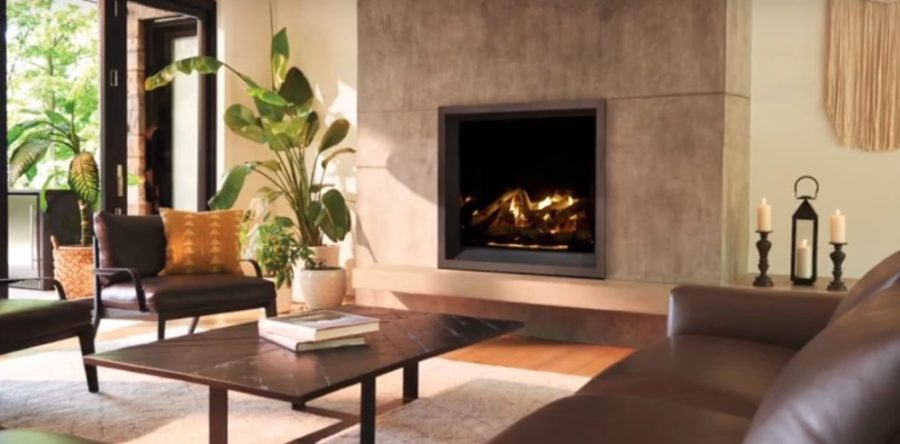
…burn wood more completely, reducing soot and improving efficiency. This also gives you more heat from your fuel. Airflow Is Your Friend: Make sure your air vents are open, especially…
…and circulate air. The view of the fire is especially impressive. Thanks to the latest air wash technology, the ceramic glass stays clean so you can enjoy the show! If…
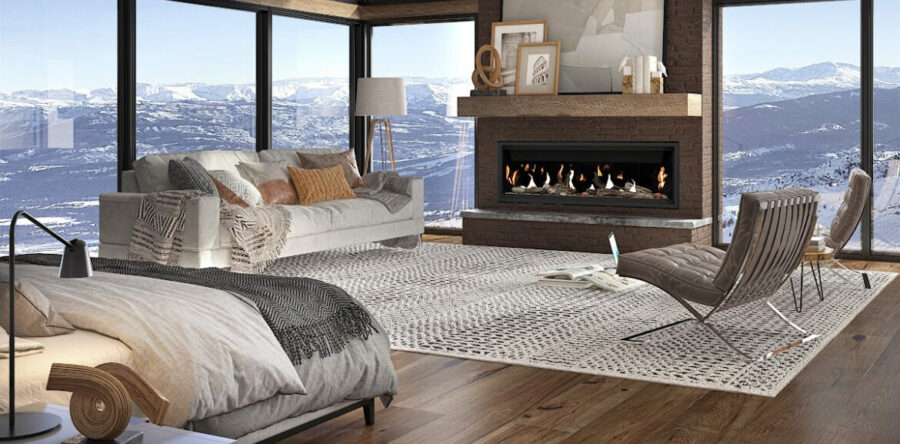
…the blower fan will circulate warm air along with the dust and pet hair back into your living room. Since some people with allergies might react to the odors of…